Friday, February 27, 2009

Common indoor air pollutants

Besides building materials like carpeting, paints and furniture, manufactured out of plywood -and made with toxic glues - cleaners we use on a daily basis can be huge indoor air pollutants that might cause many health related conditions.

We can easily replace them with more natural products that were traditionally used and work today just as well as they used to for our grandmothers.

Below you find the list of most common indoor air pollutants along with some tips, hints and warnings - to make everyone more aware of what they are bringing into - and using in their homes:

air pollution comic

Photo "air pollution comic" courtesy of sustaingreen


  • everything can be effectively and safely cleaned with hydrogen peroxide, vinegar, salt, castille liquid soap, lemon juice and baking soda
  • avoid using chlorine bleach and ammonia, which are found in most cleaning products and are irritating to the respiratory system
  • replace aerosol air fresheners and scented candles with essential oils, fragrance sticks and candles, made of bee wax or soy
  • chemicals that you can smell are a serious warning sign but there are also many silent, just as dangerous ones (like formaldehyde-based chemicals that make fabrics flame-retardant or formaldehyde in glues that hold lots of inexpensive furniture together and formaldehyde in "wrinkle-free” or "easy care" clothes and linens
  • labels on the cleaners that have any kind of skull or crossbones are best to avoid
  • other words that call for caution: use only in in well ventilated areas, poisonous, flammable, caustic or toxic
  • VOCs* can be found in chemical cleaners, paints, vinyl materials and many other products, especially when they’re new. A process known as “degassing” means releasing chemicals into the air and that makes these products a health-risk 
* Volatile organic compounds (VOCs) are organic chemical compounds that have high enough vapor pressures under normal conditions to significantly vaporize and enter the atmosphere. (Definition from Wikipedia)

pollution

Photo "pollution" courtesy of sustaingreen


***

Friday, February 20, 2009

Cancer causing products

Here's a list of the Top Cancer-Causing Products or The "Dirty Dozen"in the average home, as compiled by the National Cancer Prevention Coalition, which includes:
  • FOOD
    • Beef Frankfurters - (eg. Oscar Mayer Foods Corporation)
    • Whole Milk - (eg. Borden or Lucerne)

  • COSMETICS AND PERSONAL CARE PRODUCTS
    • Talcum Powder- (Johnson & Johnson. Inc.)
    • Cover Girl Replenishing Natural Finish Make Up (Foundation) (Procter & Gamble. Inc.)
    • Crest Tartar Control Toothpaste - (Procter & Gamble. Inc.)
    • Alberto VO5 Conditioner (Essence of Neutral Henna) (Alberto-Culver USA. Inc.)
    • Clairol Nice 'n Easy (Permanent Haircolor) (Clairol. Inc.)

  • HOUSEHOLD PRODUCTS
    • Ajax Cleanser (Colgate-Palmolive. Inc.)
    • Zud Heavy Duty Cleanser (Reckitt & Colman. Inc.)
    • Lysol Disinfectant Spray (Reckitt & Colman. Inc.)
    • Zodiac Cat & Dog Flea Collar (Sandoz Agro. Inc).
    • Ortho Weed-B-Gon Lawn Weed Killer (Monsanto Co.)

pollution_at_harbour

"This was taken during a zoological excursion to study the marine ecosystem at Vizaag and there in the harbour I came across this scenario where few boys are bathing carelessly in the murky waters and the water was polluted beyond imagination.

We have to make these people aware and let them know the minimum standards of life, we have a duty to make them aware about what they think normal in their daily life is far below the standards.

These boys taught about the consequences of water pollution can stop this.God give me the powers to do something for them."

Photo "pollution_at_harbour" and comment above - courtesy of Mandar Sengupta


***

Wednesday, February 18, 2009

Plastic bags video


Each of us can help solve a global problem by giving up this one little convenience.


***

Tuesday, February 17, 2009

Backyard Garden Pollution

Especially if you live in an urban area, be aware that there might be lead present in the soil around your house - which makes eating your home-grown veggies risky.

This kind of pollution is primarily widespread  

Backyard Garden Sunset
Originally uploaded by RevrendMaynard

  • around old homes - flakes of previously used lead paints
  • near busy roads - remnants of leaded gasoline
  • around suburban homes, built near apple orchards - lead arsenate used to be a regular pesticide
Your  best bet to avoid the pollutants and still enjoy all the benefits of home grown food crops is to build a raised bed, filled with
organic topsoil - or use planters.

In case you're determined to stick with your native earth, have it tested (look under "laboratories" in your phone book or pick up a home test kit which is less reliable but cheaper solution).

It's also good to know that
  • corn
  • squash
  • peas and
  • tomatoes
are known to have a reduced lead uptake.


Sources:
Mercola
The Boston Globe

Monday, February 16, 2009

Incandescent versus saving

If every U.S. household replaced

just one incandescent bulb (!)

with an energy saving one

the country would save:


  • over $600 million in energy cost
and
  • reduce greenhouse gas emissions by levels equal to those produced by more than 800,000 cars
Source: Energy Star (joint program of the U.S. Environmental Protection Agency and the Department of Energy)

Light Bulb Wars: So it's come down to this.....

Photo "Light Bulb Wars: So it's come down to this....." - courtesy of bloggerknight

Friday, February 13, 2009

Valentine's Day

"What the heart gives away is never gone" ...
It is kept in the hearts of others."
- Robin St. John

Happy Weekend ;o)

Photo courtesy of Festblues

"Life is a journey,
and love is
what makes that journey worthwhile."


"When someone loves you,
the way they say your name is different.
You just know
that your name is safe in their mouth."
Billy - age 4


Happy Valentine's Day!!!


***

Thursday, February 12, 2009

Dream you


Your only obligation in any lifetime is to be true to yourself.
~Richard Bach

Try experiencing life through eyes of another who hold different points of view.

The key to making changes is to accept the necessity of change;
Change is part of a creative life and of creating a LIFE.


***

Monday, February 9, 2009

What is psyllium fiber

Psyllium plant originates from Iran and certain regions of India and has been cultivated for its seeds, used in traditional herbal medicine. Well known for the husks that relieve constipation, psyllium also has several topical uses.

Herbalists use it for treating all kinds of skin irritations, including insect bites and reactions to poison ivy.

In China and India, psyllium has traditional uses in treatments of diarrhea, hemorrhoids, bladder problems, and even high blood pressure.

woolly plantain, Plantago ovata
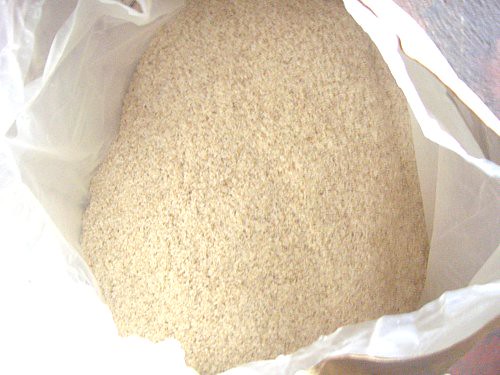
Photo "woolly plantain, Plantago ovata" - courtesy of raphaelmazor

And yet another excellent article for you today - by Dr. Mercola:


In the U.S., in Canada, and around the world, we’re experiencing a “fiber crisis.”
Shocking new research suggests that the general public – which likely includes you – is simply not getting the fiber needed every day for optimal health and wellbeing*.
In fact, a recent survey determined that fewer than 10 percent of us are consuming the optimal recommended daily amount of fiber. And, if that doesn’t startle you, consider that the average American consumes less than half the suggested amount of fiber daily!
Why is a diet deficient in fiber a problem?
Numerous studies now reveal the potential drawbacks of a diet low in fiber for individuals of all ages.

Once regarded simply as a way to help with regularity or to aid occasional constipation, the results of study after study force us to rethink the fundamental benefits and value of fiber*.
In fact, a high fiber diet may help you maintain your digestive health and regularity (including providing ideal food for your beneficial bacteria), and your heart healthiness*.
Additionally, studies suggest that high fiber diets may also assist you in the battle against the bulge by helping you feel full and therefore eat less*.
So, since most of us are dramatically deficient in our daily intake, it’s time for you to take firm action.
It’s time for a change. And I’m here to help.
Believe me when I tell you that you simply cannot afford to wait any longer.

Psyllium Husk
Photo "Psyllium Husk" - courtesy of Nuts City Aust Pty Ltd

It’s Time for You to Understand the Benefits of Fiber

 Fiber has long been recognized for helping with digestive regularity and occasional constipation, however the advantages of a fiber-rich diet go far beyond these basic benefits*.
In fact, diets low in saturated fat and cholesterol that include 7 grams of soluble fiber per day from psyllium seed husk may reduce the risk of heart disease.* One serving of Fiber Harmony Organic Psyllium provides 4-6 grams of this soluble fiber (depending on the flavor).
In addition, a diet rich in fiber:
  • Can contribute to a sense of fullness which may prevent over-eating and help you regulate your weight*.
  • Can promote the growth of your healthy bacteria and the food they need to thrive, which may help enhance your immune system’s ability to promote good immune health*.
  • Can slow your absorption of sugars, which has the potential to promote healthy blood glucose levels*.
  • Can add "bulk" to your stool as it supports regularity and elimination*.
As you can quickly see with even this short list of benefits, fiber has entered the scene as a major player in your health and wellbeing.*
So, the question then becomes obvious:

Are You Getting Your Daily Fiber Fill?


It doesn’t matter your age – getting the recommended allowance of fiber is an important part of your daily diet.
But, do you even know how much is the right amount? If you don’t, you’re not alone. A recent survey by the National Fiber Council showed that 88 percent of Americans have no idea how many grams of fiber they need a day.
This is one instance where ignorance is not bliss. In fact, the Columbia Institute of Human Nutrition reports that only 10 percent of all Americans get the recommended amount of fiber in their daily diet. And, what’s worse – the average American only eats about half the recommended fiber they need.  
But we shouldn’t be all that surprised by these startling numbers because – even if we don’t want to admit it – most of us don’t really have a good handle on our fiber needs.
  • A 2005 national study revealed that over 50% of Americans think steak is high in fiber – but in reality meat has little or no fiber.
  • The same study discovered that one in five people has no idea how much fiber they eat daily -- and nearly 60 percent of all respondents in the survey have never talked with their health care provider about fiber.
Again, it really should come as no surprise that most people have no idea how much fiber is needed daily.
So, how much fiber do you need -- and where can you get it?

You Need at Least 32 Grams of Fiber Every Day*


When it comes to fiber, 32 grams is your minimum magic number. That’s the amount of recommended fiber you should consume daily.

But, if you’re like most, you’re likely only getting 10-15 grams – and yes, I know, it’s pretty shocking, isn’t it?

Plus, if you’re on a low carb diet or just don’t consume many fruits, vegetables or grains, you’re probably even further from your magic number. According to the Annals of Internal Medicine, people on low carb diets typically get only seven to eight grams of fiber daily!

I’ll let you do the math, but it should be obvious: For your optimal health and wellbeing, you can’t go wrong with adding more fiber into your daily diet.*

Ideally, your diet will have foods high in soluble and insoluble fiber, including:


* dried beans
* peas
* flax seed
* green beans
* cauliflower


But, with the hustle and bustle of daily life, it’s often difficult to get the optimal amount of fiber you need.

That’s why my team and I decided to offer you a powerfully effective (and great tasting) way to supplement your daily fiber requirements.

It’s time for you to discover Fiber Harmony Organic Psyllium…
Get Your Fiber Fill with Fiber Harmony Organic Psyllium – The All-Organic Solution


Finally, you have a choice when it comes to supplementing your daily fiber needs. No longer do you have to settle for less-than-optimal health just because you don’t have the time to create a high fiber diet.

* Promotes regularity and growth of your healthy gut bacteria*
* Helps with occasional constipation*
* Provides heart-healthy soluble fiber*
* Certified Organic by a USDA-accredited certifying agent
* Tasty whole husk, chocolate, and peach flavors
* Plus, every 12-ounce canister is packed with 48 servings

Fiber Harmony Organic Psyllium has the soluble and insoluble fiber you want.

* Soluble fiber that can propel food, sugars, cholesterol and fats cleanly through your digestive tract. Importantly, soluble fiber can contribute beneficially to your heart health.*

* Insoluble fiber that may act as a bulking agent to improve your digestive regularity and to move food quickly through your colon.*

Fiber Harmony Organic Psyllium allows you to easily supplement your daily diet with 4-6 grams of dietary fiber in every great-tasting serving. That’s 14-22 percent of your daily recommended allowance in every single serving!

But, the benefits of Fiber Harmony Organic Psyllium don’t end there…
The Top 5 Reasons Why I Believe Fiber Harmony Organic Psyllium is the Right Choice for You


You’ve already seen why fiber is so important to your well-rounded diet. Plus, you’ve discovered how Fiber Harmony Organic Psyllium is so effective at delivering your daily recommended allowance of soluble and insoluble dietary fiber.*

Now, you may be pleasantly surprised to discover more in depth why I believe Fiber Harmony Organic Psyllium is the right choice for you.

1. The support for heart health you desire.*

Soluble fiber, such as the fiber in Fiber Harmony Organic Psyllium, when included in a low saturated fat and cholesterol diet, has been shown to help lower cholesterol.*

In fact, clinical studies have shown that, when taken daily as a part of a diet low in saturated fat and cholesterol, 7 grams of soluble fiber from psyllium may help reduce heart disease risk by helping to lower cholesterol – both total cholesterol and LDL cholesterol levels*. One serving of Fiber Harmony Organic Psyllium provides 4-6 grams of this soluble fiber (depending on the flavor).

So, it doesn’t matter whether you’re in your thirties or sixties, man or woman, I believe that now is the right time for you to start taking your heart health seriously.

Fiber Harmony Organic Psyllium gives you one of the easiest tools you can use to help support your heart health.* Your heart may just thank you!*

2. The ‘probiotic difference’ you deserve

There are trillions of microorganisms that live in your digestive system – some are good, but others do not provide any benefit. When it comes to your health and wellbeing, they play an incredibly important role and your fiber intake can make a big difference.*

“Beneficial flora” are microorganisms that assist with digestion and absorption of your food, help strengthen your immune system, and contribute to your body’s overall heath and function.*

Since less desirable flora in the gut must compete with thehelpful microbes already in residence, daily probiotic use can be an effective measure to help us keep the balance of intestinal flora tipped in favor of beneficial flora.*

Probiotics are foods and supplements that actually contain these living beneficial microbes. Probiotics can help support your body’s natural and healthy flora and support a healthy balance.*

How does all this relate to fiber? Well, it’s simple.

Beneficial bacteria love to feed on fiber (such as that found in Fiber Harmony Organic Psyllium)*. Whereas, less desirable bacteria like to eat refined sugars and fats – which Fiber Harmony Organic Psyllium may help reduce within your digestive system.*

Plus, our chocolate, orange and peach Fiber Harmony Organic Psyllium contain inulin – a prebiotic that helps probiotics survive as they travel through your stomach and small intestine, and thrive as they reach your intestines and colon.*

Note: We are proud to offer our Complete Probiotics with Fiber Harmony Organic Psyllium as an incredible package to help you reach your optimal health goals (see below for details and to order yours today).

3. The organic choice you want

Since Fiber Harmony Organic Psyllium is your all-organic choice, you can feel confident that you are consuming Psyllium grown without pesticides, herbicides or chemical fertilizers -- plus, it contains no additives or sweeteners.

Additionally, the Psyllium in Fiber Harmony Organic Psyllium was grown using organic crop rotation practices, so there is no risk that Fiber Harmony Organic Psyllium has been contaminated by previous crops that were treated with chemical pesticides, herbicides, and fertilizers.

Fiber Harmony Organic Psyllium was the first USDA certified organic psyllium product and now you can take advantage of this all-natural solution.

4. One of the easiest ways to add fiber to your diet…and it’s tasty, too!

With three quick and easy options, adding fiber to your diet has never been easier. Take three times a day to add as much as 18 grams of dietary fiber to your diet.

Plus, with chocolate, peach, and whole husk options, fiber has never tasted so good!

5. Help maintain your digestive health and perhaps even your optimal weight*

You know that Fiber Harmony Organic Psyllium may help relieve occasional constipation and contribute to optimal digestive health*. But, did you know that a high fiber diet may also contribute to a sense of fullness which may prevent overeating?*

Now, maintaining your optimal weight may not be such a struggle when you keep a diet rich in fiber starting with Fiber Harmony Organic Psyllium.*

As you can see, there’s never been a better time for you to start taking control of your health and wellbeing -- and I believe that Fiber Harmony Organic Psyllium is one of your best options.*


***

Thursday, February 5, 2009

New U.S. Health Secretary

I'm taking an easy way today, hurt my thumb last night and have a little trouble typing. Luckily, I found this incredibly encouraging and informative article on Dr. Mercola's site and hope you find it interesting, too. :)
Good News -- New U.S. Health Secretary is a Huge Fan of Wellness!

Former Senator Tom Daschle was confirmed by the senate last week on President Obama’s inauguration day as the new secretary of Health and Human Services in the U.S. He really does understand many of the problems, as you will see by this video. I believe this is a phenomenal choice and that there is a good chance we will make significant impacts in health and wellness with his leadership.

Dr. Mercola's Comments:

There are three major reasons why this short clip of former Senator Tom Daschle left me hopeful:


1. He acknowledged the notion that the United States has the best health care system in the world is a MYTH


2. He pointed out that the high rate of people dying from medical errors every year (100,000, or the equivalent of a 747 crashing every day and a half) is unacceptable


3. He agreed that focusing on wellness should be the starting point in health care, not the afterthought it is now

These are key foundational beliefs that will be needed in order to revamp the current health care system, and it is a step in the right direction that the new Secretary of the Health and Human Services is already on board with them.

If you’re wondering what, exactly, the Secretary does, he will head up agencies like the
Food and Drug Administration (FDA), the Centers for Disease Control and Prevention (CDC), the Centers for Medicare and Medicaid Services (CMS) and the National Institutes of Health (NIH), along with the newly created White House Office of Health Reform.

He will also be in control of a budget worth more than $700 billion.

Americans Are Ready for Major Health Care Reform

The change in leadership at the Department of Health and Human Services could not have come at a better time, as Americans are ready for change.

In fact, 82 percent of Americans think the U.S. health care system should be fundamentally changed or completely rebuilt, according to a survey of more than 1,000 adults conducted in 2008, and I couldn’t agree more.

In short, Americans are tired of spending so much money for health care, and not getting their money’s worth.

The United States spent $2.5 trillion on health care in 2008, but by 2017, health care spending is projected to exceed $4 TRILLION. This is largely due to the costs of drugs and surgery and a reliance on a medical system that treats only symptoms and never the cause of disease.

Now, I would not mind one bit if spending $2.5 trillion provided major benefits, but sadly, as you likely know, this is clearly not the case.

The United States spends more than twice as much on each person for health care as most other industrialized countries. But it comes in LAST among those countries in preventing deaths that could have been avoided with the use of timely and effective medical care.

Meanwhile, the United States ranks only 42nd in global life expectancy and 34th in survival of infants. These are the rankings earned by having the most expensive medical care in the world?

Something doesn’t add up, and that “something” is that the drug companies and food industries are THE primary forces behind most of the terrible health statistics of the United States.

These industries and the drug industry in particular, have been able to manipulate and control the U.S. Congress to pass just about any and every law they need to increase their profits. Once you understand how they control the government, you realize how they are directing health care policy for their own good -- NOT for your benefit.

Very few people understand that the drug companies and other big industries essentially control the U.S. Congress with their massive lobbying forces. Again, their relatively minor investments allow them to manipulate votes on key legislation that is highly favorable to their bottom line and almost always in conflict with your best interests.

It’s Time for a New Beginning

With the new leadership coming into office, I’m hopeful that health care will one day return to the basics and promote wellness instead of disease treatment.

Can you imagine how many diseases and deaths could be prevented if we focused on promoting healthy lifestyles and reduced consumption of toxic drugs and unnecessary medical procedures?

Fortunately you don’t have to wait for the government to solve the problem as you can Take Control of Your Health right now, today, break free from the drug-industry’s hold on you and in so doing begin to change the direction of health care -- one person at a time.

Daria's World - blog about people and things that matter the most

Daria's World - blog about people and things that matter the most
Google