Monday, July 14, 2008

New kid on the block

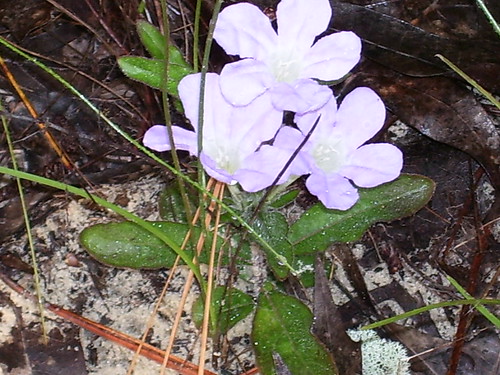
The first thing I've seen this morning when opening my bedroom window - such a pretty blooms, another Florida native plant I don't know the name of.


***

Sunday, July 13, 2008

Florida Alligators


Alligator facts:
  • the alligator has survived on earth for 200 million years


  • average American alligator's weight and length is 800 lbs (360 kg) and 13 feet (4 m) long though the record in Florida is 1043 lbs and 13 ft 10 and a half inches long


  • the largest alligator on record measured 19 feet 2 inches (5.8 m) and was caught on Marsh Island, Louisiana


  • these larger alligators were never weighed though they could have exceeded a ton in weight


  • alligators like to eat food that they can swallow in one bite


  • they will drown prey that they can not kill by biting


  • the muscles that close alligator's jaw are exceptionally powerful but the ones that open it aren't nearly as strong so - some duct tape will keep its dangerous mouth closed


  • Alligators have a fear of humans but can lose this fear if they are fed by human hand


***

Saturday, July 12, 2008

Florida Flamingos


Flamingo facts:
  • Flamingos gain their unique color from the food they eat


  • generally, the brighter a flamingo is the healthier it is


  • no one is quite sure why flamingos stand on one leg though many theories have been put forth about this oddity


  • the main diet of flamingos consists of:


    • blue-green and red algae


    • diatoms


    • larval and adult forms of small insects


    • crustaceans


    • small fishes


  • Flamingos can swim easily but they do not dive


  • they are capable of drinking water at temperatures that approach the boiling point because the only fresh water they receive is in boiling geysers


  • Flamingos are thought to have well-developed color perception


  • they can fly at speeds up to 31-37 miles per hour


***

Friday, July 11, 2008

Florida Manatees


Some interesting facts about the gentle giants:
  • they only have molars to grind their food


  • they chew two times per second


  • manatee teeth are constantly being replaced as they wear down and fall out (like shark's)


  • the intestine of an adult manatee can measure up to 130 feet in length


  • from 1974 to 2002 as many as 1164 Manatees have been killed because of boating accidents


  • they only breath through their nostrils


  • manatees can hold their breath for up to 24 minutes


  • manatee lungs are 2/3 the length of its body


  • a manatee cannot turn its head sideways, it must turn its whole body


  • it takes 13 months for a manatee to be born


  • manatee calves spend two years with their mothers learning the migration routes


  • manatees have no natural predators


  • they can die if the water they live in gets too cold


  • manatees live in fresh water


***

Thursday, July 10, 2008

More Hibiscus Magic

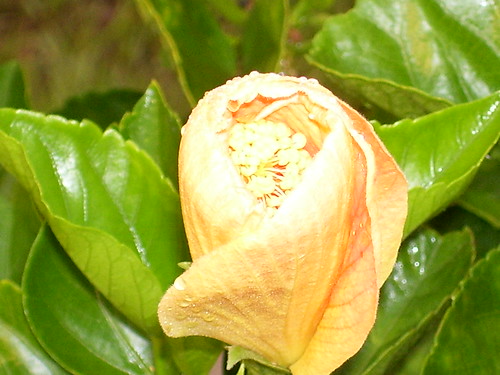
Yellow and red hibiscus in front of my house with all of their numerous, beautiful blooms never cease to fascinate me (it's pretty obvious from all of the photos I've been taking, isn't it?).


***

Wednesday, July 9, 2008

Wildflower

Another wildflower that I don't know the name of - but it looks very pretty in my backyard!


***

Tuesday, July 8, 2008

Dayflower


Ever since the rainy season started on June 1, we get some rain almost every single day. That's obviously what Dayflowers (Commelina erecta), also called Widow's Tears, like a lot. Because last year I was hardly able to catch a few throughout the growing season and this year they grow and bloom in abundance.


Every morning when I open the window in one of the rooms, facing north, I notice new blooms that simply glow through all the greenery and are simply impossible to miss since they excell in such an unusual tone of blue.


I have to say that because of that unusual color, dayflowers are quite tricky to photograph. In the sun, they look almost white or very pale so it's very important to catch them early in the morning, in the shade. They are simply enchanting. I hope you can feel that from some of my best photos, posted here.


Learn more about dayflower: description, propagation and landscape uses - and see more pictures.


***

Monday, July 7, 2008

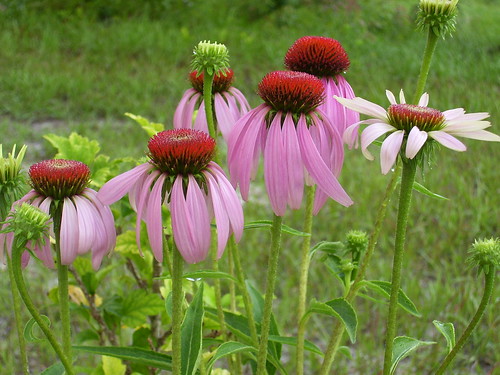
Purple Echinacea


I bought a tiny echinacea seedling last spring at the flea market. It didn't grow much and then it died back during the coldest part of the winter.

This spring, however, it reappeared and developed into an impressive plant (photo above) with several buds. Its foliage is perfect in every way.

And this is the first bloom (photo below), starting the show that I'm really looking forward to see and share with you! :)


***

Sunday, July 6, 2008

Florida Sunflower

On the photo below is one of more than twenty species of sunflowers (daisy family), native to Florida. This one was a gift from Linda and it just started blooming. It has amazingly pretty foliage and it grows like a groundcover plant. I can't wait to see how tall and wide it grows and I'm really looking forward to collect the seeds and plant more of these hardy beauties for the next season.


***

Wednesday, July 2, 2008

Neem Tree (Azadirachta indica)

Native to India, where it's said to start growing in every unexpected place imaginable, neem tree is now being grown around the world for its medicinal properties. Azadirachta indica is fast growing and every part of this 'village pharmacy' can be used and it has been, for thousands of years.

Neem tree is beautifully shaped and is great as a shade tree (see photo below).

Neem tree

Neem is propagated by seeds (photo below) and will grow in pots, protected from frost in colder climates. However, its seeds are only viable for about thirty days or so which means that fresh seeds are a must.

Another word of warning for potted plants: they will only grow as big as their space in pots allows them. So, choose the biggest planter you can still handle for your neem tree.

Although in nature Azadirachta indica handles easily a wide range of growing conditions - from extra dry in Sahara Desert to extra humid and salty of Florida Keys - neem prefers the following when grown in pots:
  • humus from your compost pile or premium potting soil mix from the nursery
  • perfect drainage
  • fish emulsion weekly
  • balanced organic fertilizer monthly during the growth period
  • as much natural light as possible during the day and artificial light during winter or your tree will stop growing
  • there are only two things that could trouble your neem plant but they are both related to overwatering: slugs and root rot
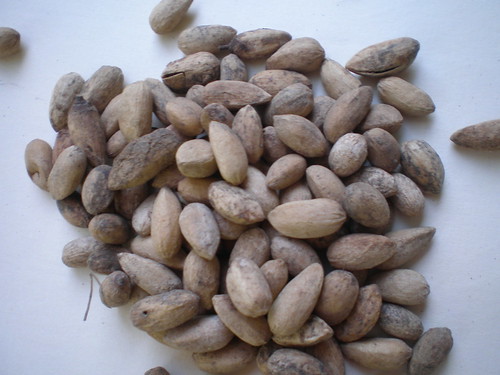

Semilla de neem seeds

More amazing facts about the neem tree:
  • in optimal growing conditions it will grow up to ten feet per year
  • it is hardy enough to survive without natural light for months
  • sculpturers know that neem wood is rodent-proof, termite-proof and great to work with
  • in U.S. or internationally you can purchase Neem Tree seeds, seedlings or two-year-old plants online (click the link)
  • in India, Bangladesh and Pakistan neem twigs are used daily for tooth-brushing which is probably one of the earliest and one of the most effective forms of dental care


Neem Tree - L. Azadirachta Indica <IMG_0072>

A Cornerstone of the Ayurvedic Tradition
  • anti-bacterial
  • anti-viral
  • anti-parasites
  • antidote for snake bites
  • natural pesticide, equally effective in repelling pests that affect plants and humans - repells about 200 pests!


Neem Flower IV

Photo above: neem blossom


A Cornerstone of the Ayurvedic Tradition


Photo below: neem fruit, filled with sweet liquid
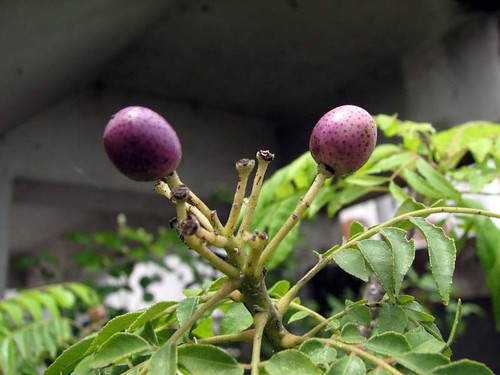
Neem Fruit

Learn more about neem in this amazing video below.


Find out more on how to use neem oil as an insect repeller HERE (opens a new window).


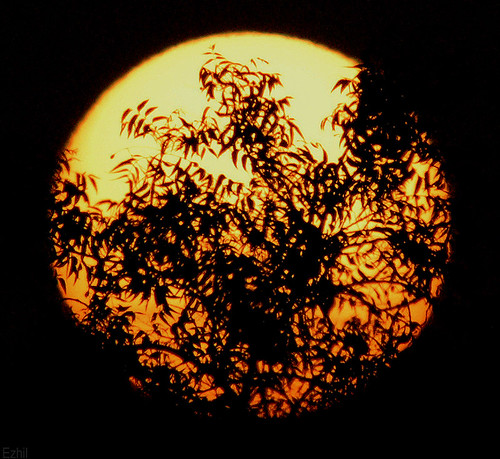
In all its glory

Photo above: beautiful neem sunset


Neem Tree Farms


***

Daria's World - blog about people and things that matter the most

Daria's World - blog about people and things that matter the most
Google