- A Yard Full
Great blog with plenty of photos of plants from Dallas, Texas.
Monday, March 31, 2008

Thriving Palmetto & Yucca
 Above: Young palmetto in front, Yucca in the back
 Above: Heaven for birds and other small wildlife
Sunday, March 30, 2008
Blooms and Buds of Pink Veined Milkweed - Closeup
These are just soooooooooo pretty... I can't help myself but take photos of them over and over again.


Saturday, March 29, 2008
Onion Chives
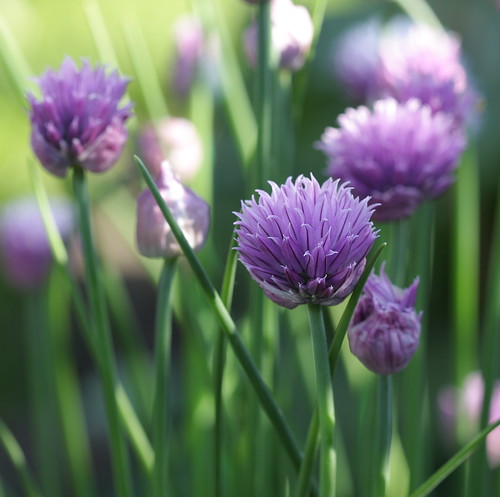
The most common kind of chives are Onion Chives (Allium schoenoprasum). They should not miss in any garden.
Their tiny, hollow, tubular leaves have onion flavor. This flavor is easily destroyed by cooking. So, to prevent the loss of flavor, sprinkle finely chopped fresh chives on top of the food just before serving.
Chives is a perennial herb and looks great in borders.
Chives' flowers are edible and used as garnishes.
To promote the growth of new leaves, pinch off the flower stalks.
Onion chives grow from seeds slowly.
Cutting them back frequently promotes growth.
Established plants can be divided every third year.
***
Friday, March 28, 2008
Angelica Herb
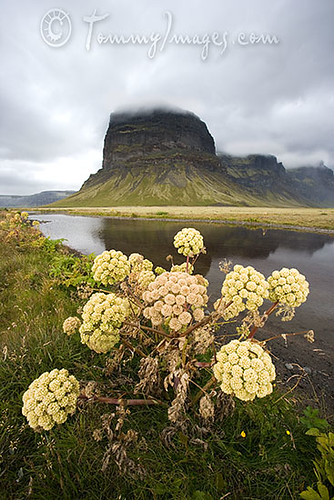
Photo above: Angelica herb and Mesa Mountain
If you have not grown angelica yet, here are some basics:
#1: A single plant should be enough for personal use.
#2: Angelica prefers deep, moist and fertile soil.
#3: It will grow best in partial shade to full sun.
#4: Absolutely the best spot to grow this pretty plant is close to the running water.
***
Parsley in Culinary Around the World
Today, some interesting culinary facts from around the world:
Belgians and Swiss enjoy deep-fried parsley with fondue.
British make parsley jelly.
French feature parsley with ham in “aspic” and as ”persillade”, which is a fine mince of parsley and garlic, added to poultry, grilled meats or sautés at the last minute of cooking.
Japanese deep-fry parsley in tempura batter.
Mexicans and Spaniards can not imagine “salsa verde” without parsley.
Middle East – parsley is an important ingredient in the traditional dish, “tabbouleh”.
On top the specials, listed above, parsley goes well with almost all kinds of foods, except sweets.

***
Belgians and Swiss enjoy deep-fried parsley with fondue.
British make parsley jelly.
French feature parsley with ham in “aspic” and as ”persillade”, which is a fine mince of parsley and garlic, added to poultry, grilled meats or sautés at the last minute of cooking.
Japanese deep-fry parsley in tempura batter.
Mexicans and Spaniards can not imagine “salsa verde” without parsley.
Middle East – parsley is an important ingredient in the traditional dish, “tabbouleh”.
On top the specials, listed above, parsley goes well with almost all kinds of foods, except sweets.
***
Thursday, March 27, 2008
Middle Ages

In Middle Ages, parsley became widely recognized as herbal medicine.
It was used to cure a wide range of ill conditions of liver and kidneys, as well as diseases like asthma, dropsy, jaundice, to aid digestion and even to cure plague.
***
Wednesday, March 26, 2008
Romans' History

Many historical sources state how Romans were using parsley at orgies
to cover up their smelly breath.
Although it's true that parsley is a natural breath sweetener, that has not been the only reason for this herb's popularity in Roman Empire.
Romans' feasts are also known to be bountiful and some aid in digestion (which parsley provided) was more than likely - severely needed... ;-)
***
Tuesday, March 25, 2008
Harvest Parsley - Tip #1
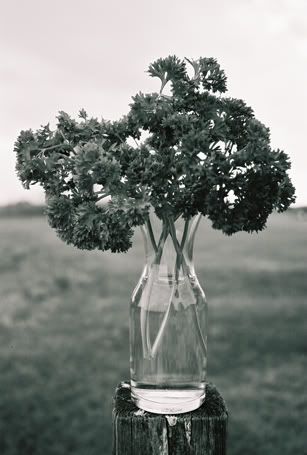
Just to make sure you make the best of your parsley plants and have as much to harvest as possible in your growing conditions, here’s a really short, but useful tip:
• Always start removing (harvesting) the outside leaves of your parsley plant because new growth emerges from the center.
***
Monday, March 24, 2008
Herbal Basics

1. Although herbs are not fussy about the soil
and are quite draught tolerant, they will benefit
from added compost around wherever you grow them.
In other words, to grow bushy, helathy herbs,
feed them compost.
2. Weeds compete for nutrients and water with the
plants you choose to grow so - keep them at bay.
3. Besides some compost nourishment and good drainage,
most herbs need at least 6 hours of direct sun per day.
***
Sunday, March 23, 2008
Easter Sunday in My Backyard
We had some steady rain last night and during the night. As a result, this Easter morning is gorgeous: it smells, sounds, looks and feels like spring. The nature is fresh and bursting with life, new leafs and new buds and blooms. All kinds of birds are singing and chirping all over the place and at least one woodpecker is looking for his breakfast on one of the tree trunks in the vicinity. I love spring!!! :o)
The first thing I did this morning (still in my PJ's) was, I grabbed my camera, walked all around the house and took these photos of newborn life - right after receiving news that a baby girl, named Ana after her grandmother, was also born early this morning. Welcome little Ana, congratulations young mommy and daddy! :o)
Orange bloom - didn't mind the rain at all

New leaves on oak trees

All washed up and sparkly after the rain : blue sky, white clouds, bright green oak leaves and elegant pine needles

Lonely Starry Rosinweed

Pink Veined Milkweed


A colony of Starry Rosinweeds

Marigold

Cosmos

Dianthus

Cosmos

Cosmos

Buds of Amaryllis

More Starry Rosinweed flowers

Phlox

Rosemary and winter lettuce in bloom

Soon-to-bloom prickly pear


***
Saturday, March 22, 2008
Start Parsley

No matter what your preference is: to start growing parsley from seeds indoors or out,
remember that this method requires patience.
If you want your green herbs right away, buy plants from the nursery and transplant them in the garden or containers.
Parsley doesn't really like transplanting, especially after it grows bigger. To make it as painless as possible, transplant when plants are still very young.
Space the plants ten inches apart; parsley needs space to grow. Full sun to part shade spot will do.
If you love butterflies, you'll be happy to know why you should plant parsley generously: Swallowtail butterflies lay eggs on parsley plants and their caterpillars munch on leaves but do not hurt the plants.
Another benefit of parsley's presence in your backyard:
its blooms in second year attract many beneficial insects so - let a few plants bloom!
***
Friday, March 21, 2008
Transplanting Tip
 Photo: Yarrow seedlings
There's one thing about transplanting of any kind of seedlings that's too often overlooked or not emphasized enough.
The fact is that all those tiny seedlings are fragile and the best way to transplant them is if we only handle them by their seedling leaves.
Avoid touching the stem as well as true leaves.
Remember, true leaves are shaped like the leaves of mature plant while seedling leaves are most likely oval (see photo above).
***
Thursday, March 20, 2008
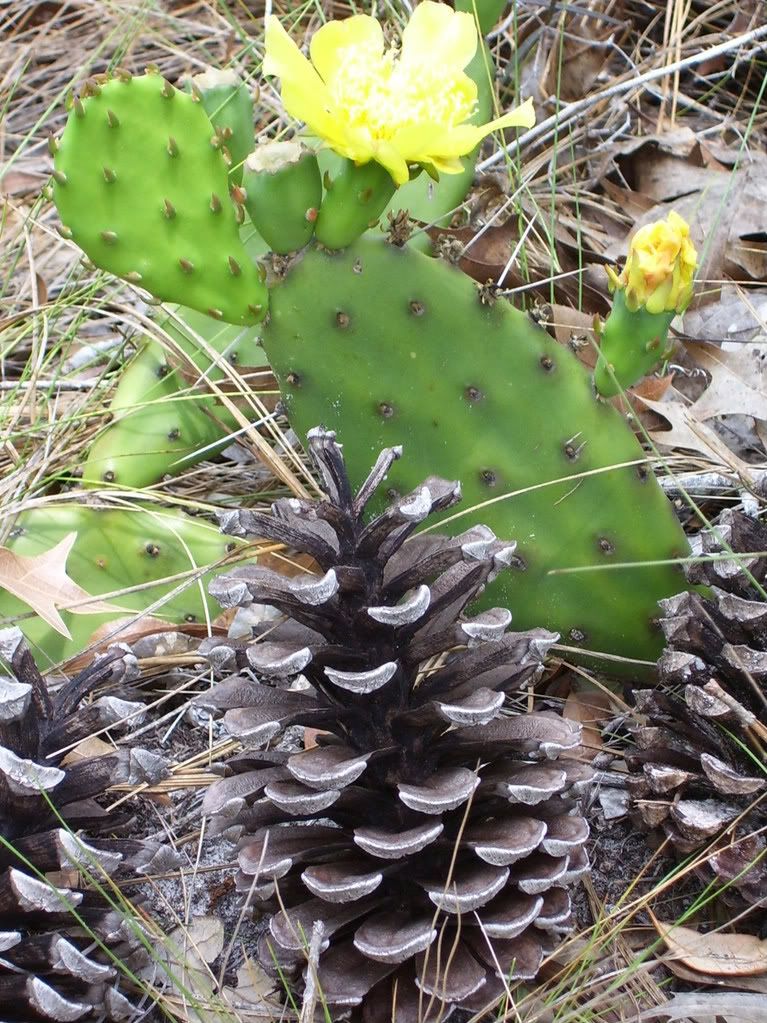
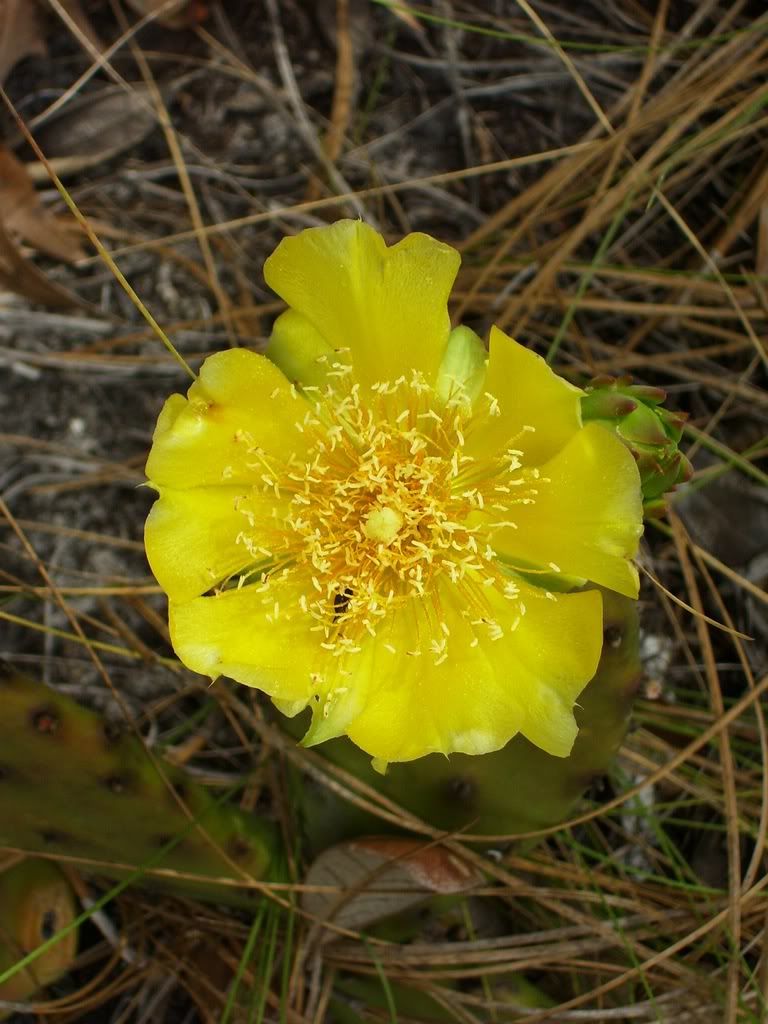
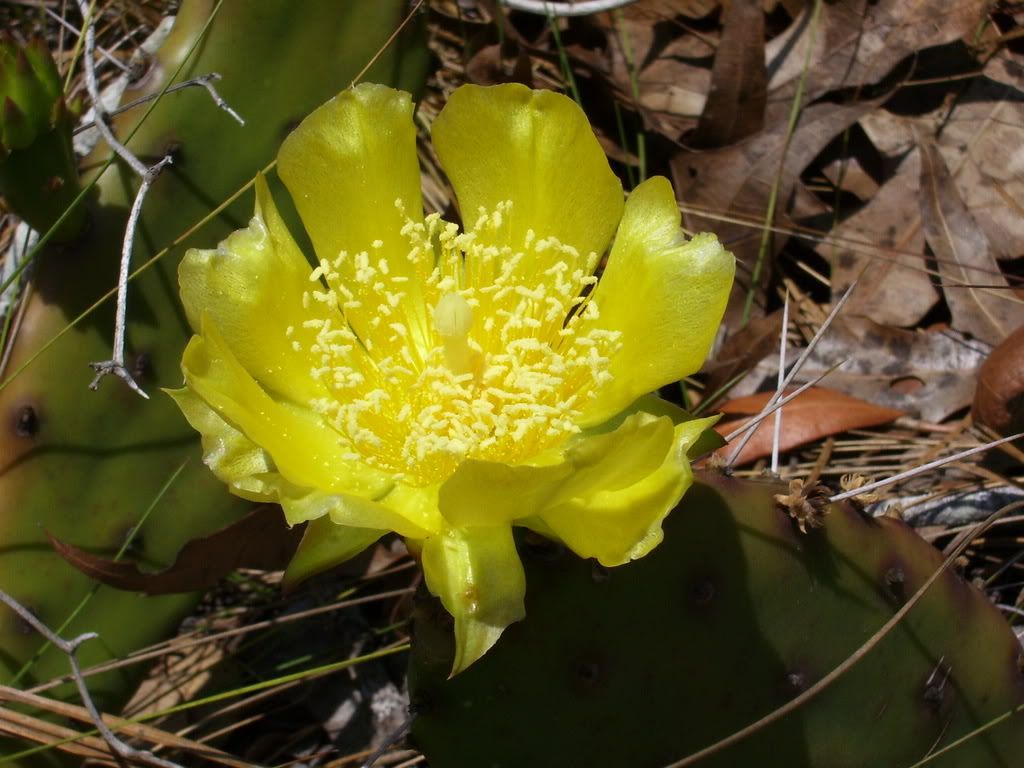
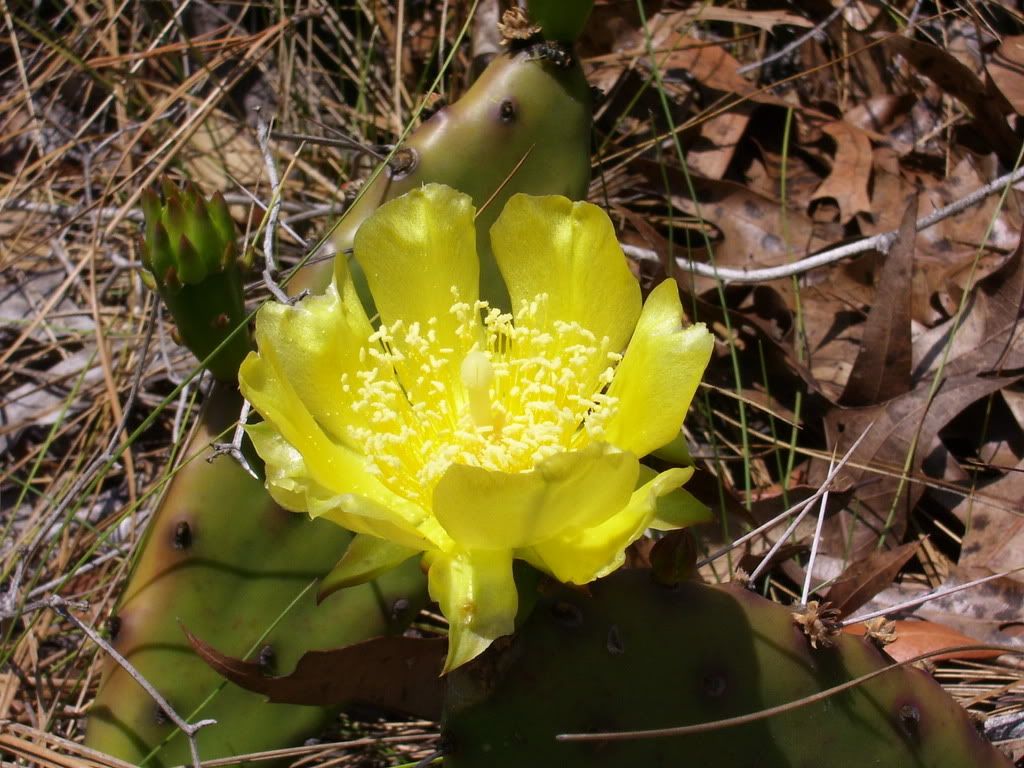
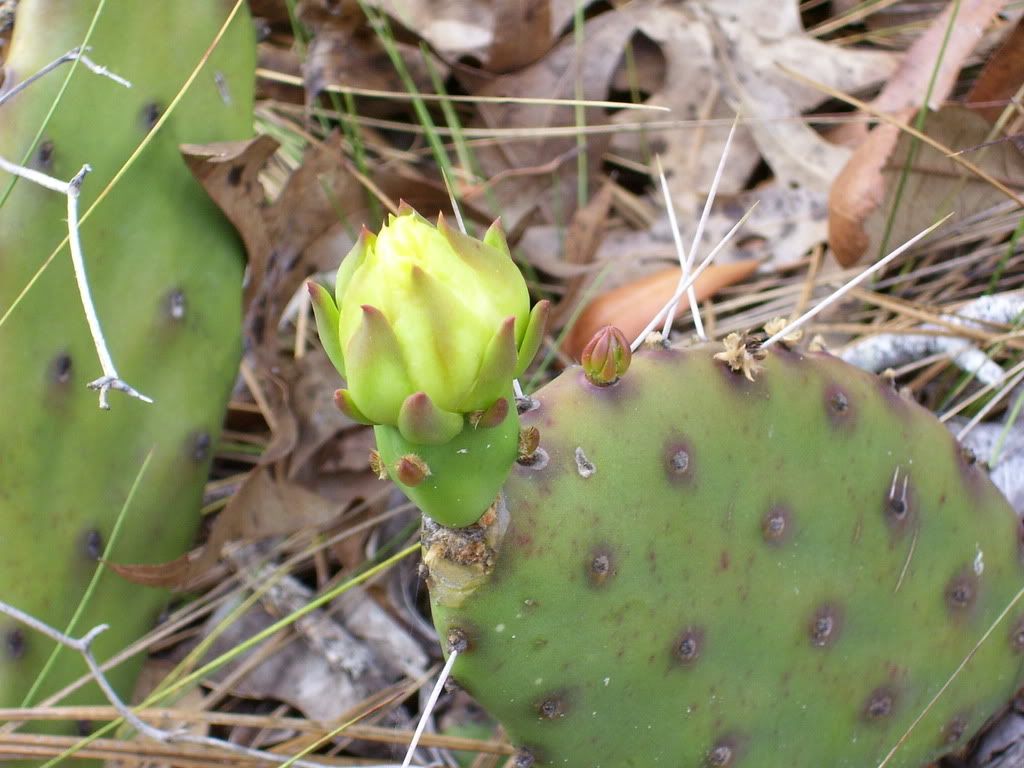
Prickly Pear
Only two days ago I noticed that there are a few buds on my prickly pear behind the house. I can't wait to see the blooms - last year ones were spectacular! :)
Check them out for yourself on clickable photos below.






Wednesday, March 19, 2008
Pink Veined Milkweed
 Photos taken on March 18, 2008
To me, this is the plant with one of the most beautiful leaves in the kingdom of plants. Too bad it's mostly crawling along the ground and is therefore easy to trample upon or simply mow it without even noticing the damage.
Tuesday, March 18, 2008
First Orange Bloom Ever in My Backyard
 From bud...
 ...to flower with sweet, heavy scent
Tuesday, March 18, 2008
It really amazes me that there is so much scent from a single orange flower and on top of everything, the bloom itself looks like it's not real but made by an artist... Reminds me of an orchid.
Subscribe to:
Posts (Atom)
Daria's World - blog about people and things that matter the most
